Preparing A Seacliff Home For A Standout Coastal Sale
June 25, 2026
June 25, 2026
If you are getting ready to sell in Seacliff, a quick clean-up is usually not enough. Buyers in this part of Huntington Beach notice condition, light, and how well a home fits its coastal setting from the moment they arrive. With the right prep plan, you can make your home feel polished, well cared for, and ready for market. Let’s dive in.
Seacliff is a planned community, and that matters when you prepare a home for sale. Huntington Beach’s Seacliff Specific Plan includes standards tied to appearance, common areas, homeowners associations, and, in some areas, coastal-zone rules.
That means your prep work should not be treated like a random list of projects. It works better when you plan around HOA review, possible city requirements, vendor timing, and the overall streetscape buyers will see.
In a market where Redfin reported a Huntington Beach median sale price of $1.4 million in March 2026, presentation can shape buyer perception quickly. In a higher price range, visible maintenance and thoughtful staging tend to matter even more.
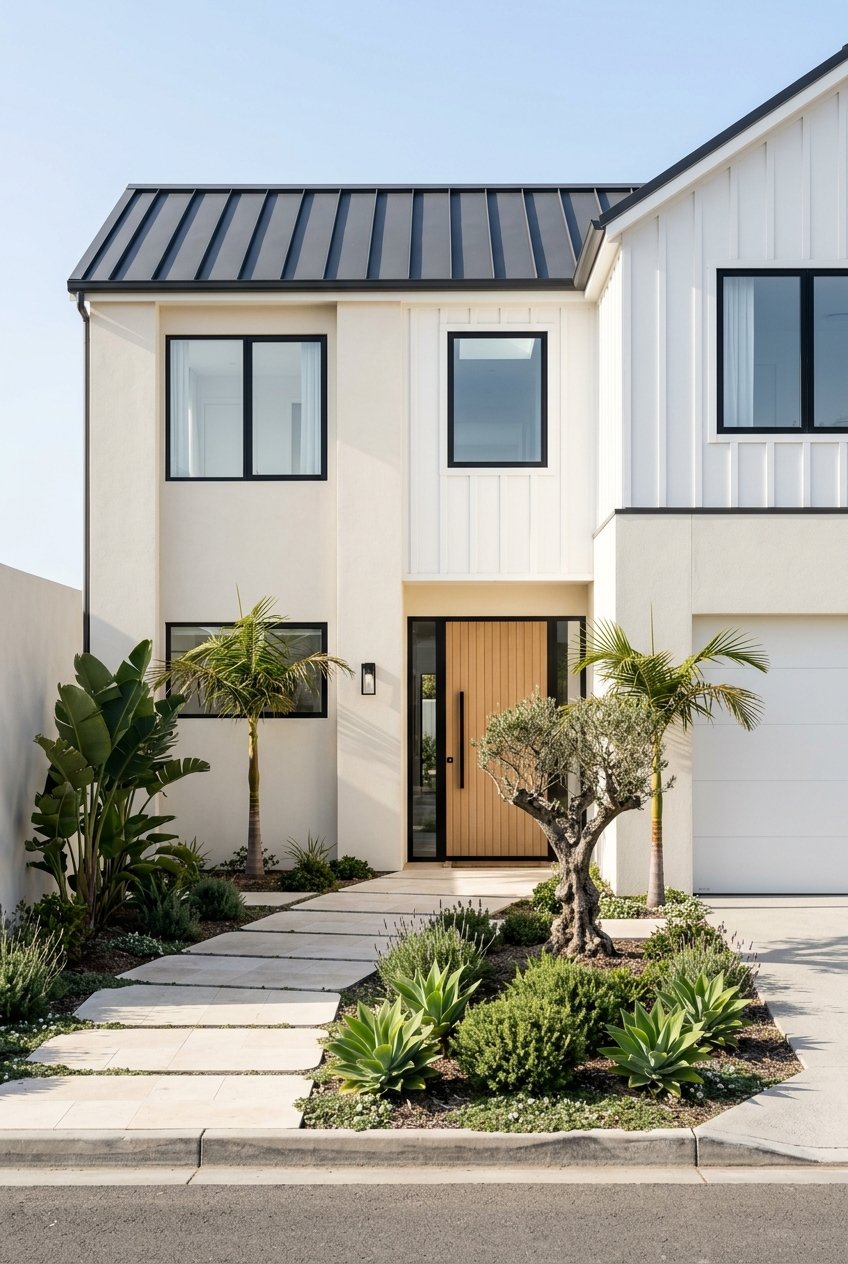
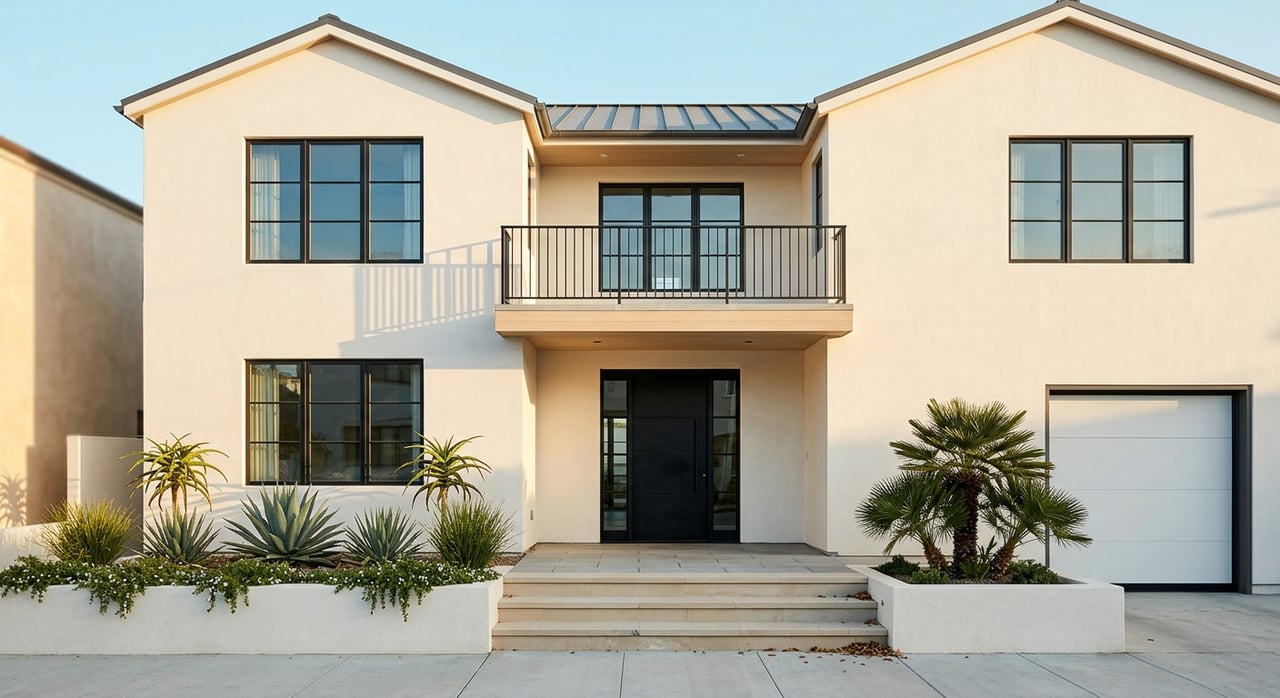
First impressions carry real weight in Seacliff. The community’s design framework emphasizes a harmonious appearance, so buyers tend to respond well to homes that feel crisp, clean, and consistent with the neighborhood setting.
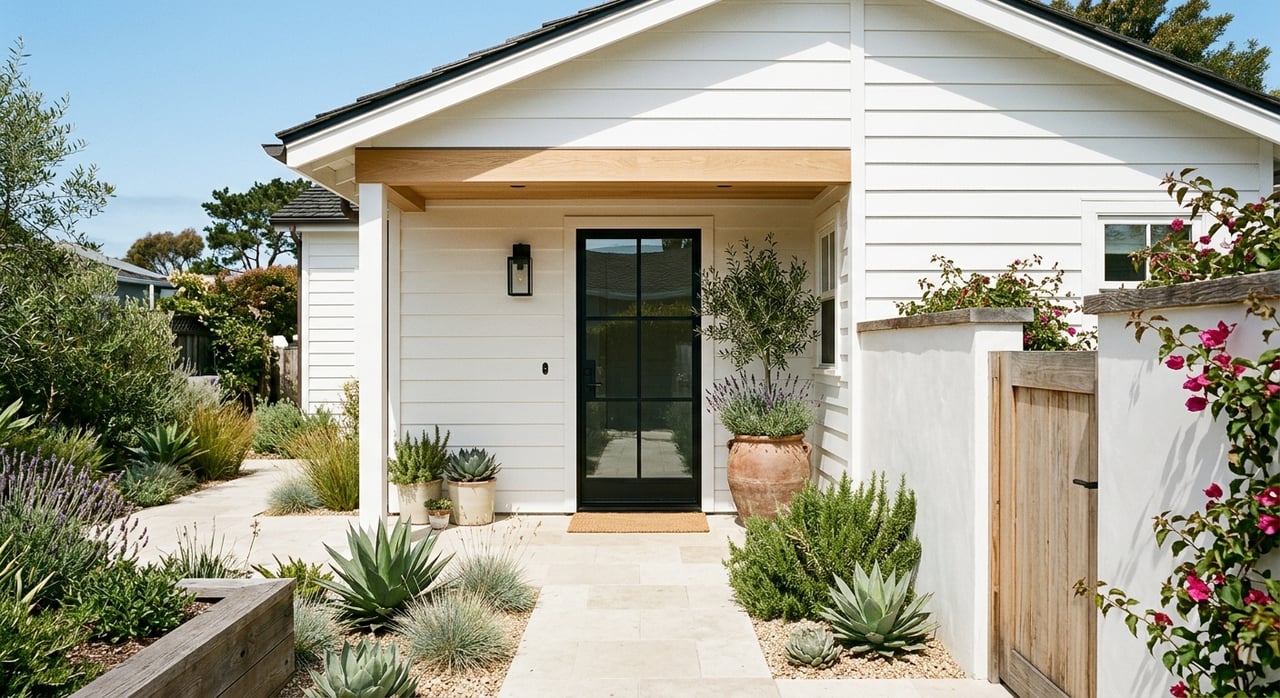
Focus first on the exterior items that suggest pride of ownership. In a coastal environment, small signs of wear can stand out faster than they would inland.
A strong exterior prep plan often includes:
In Seacliff, it helps to think beyond what looks good for one weekend. Salt air and coastal moisture can make deferred maintenance easier to spot, so buyers often notice whether finishes and landscaping look durable and cared for.
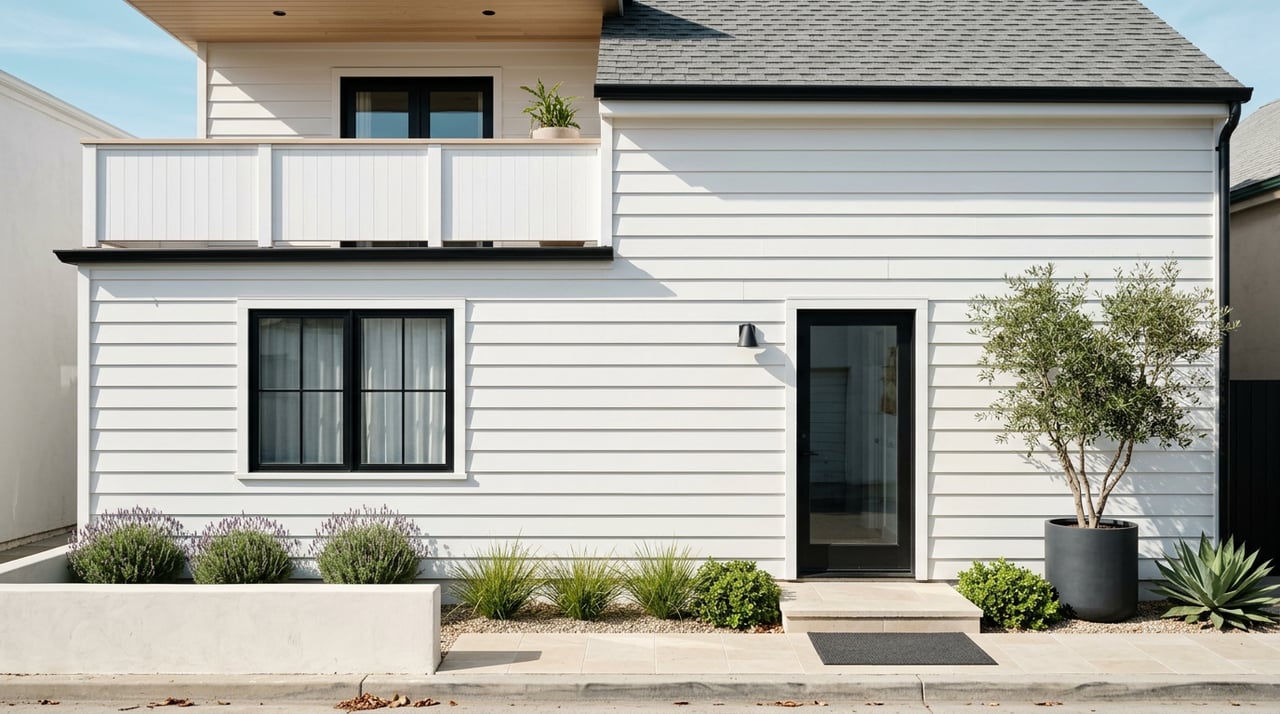
Your front entry should feel welcoming without looking overdone. A clean door, neat lighting, tidy planters, and a clutter-free porch often do more than elaborate decorating.
This is also a good time to step across the street and look back at the house as a buyer would. You want the elevation to read as bright, balanced, and maintained.
Natural light is one of the biggest selling tools in a coastal home. Huntington State Beach notes that Huntington Beach often has morning fog and mild coastal temperatures, which makes bright interiors especially important.
If your home feels dim, heavy, or visually crowded, it can lose some of the airy coastal feel buyers expect. The goal is to help the home look open and light even on an overcast morning.
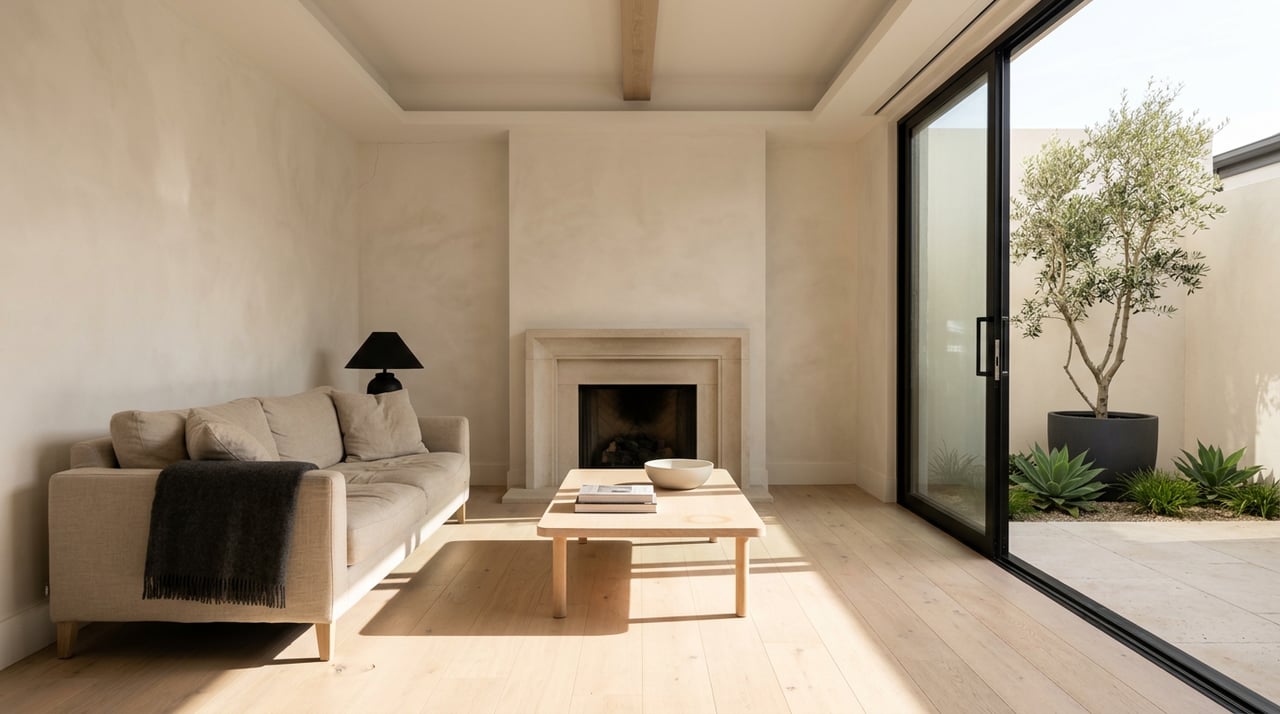
The simplest improvements are often the most effective. Clean windows, lighter window treatments, and less bulky furniture can help rooms feel larger and brighter.
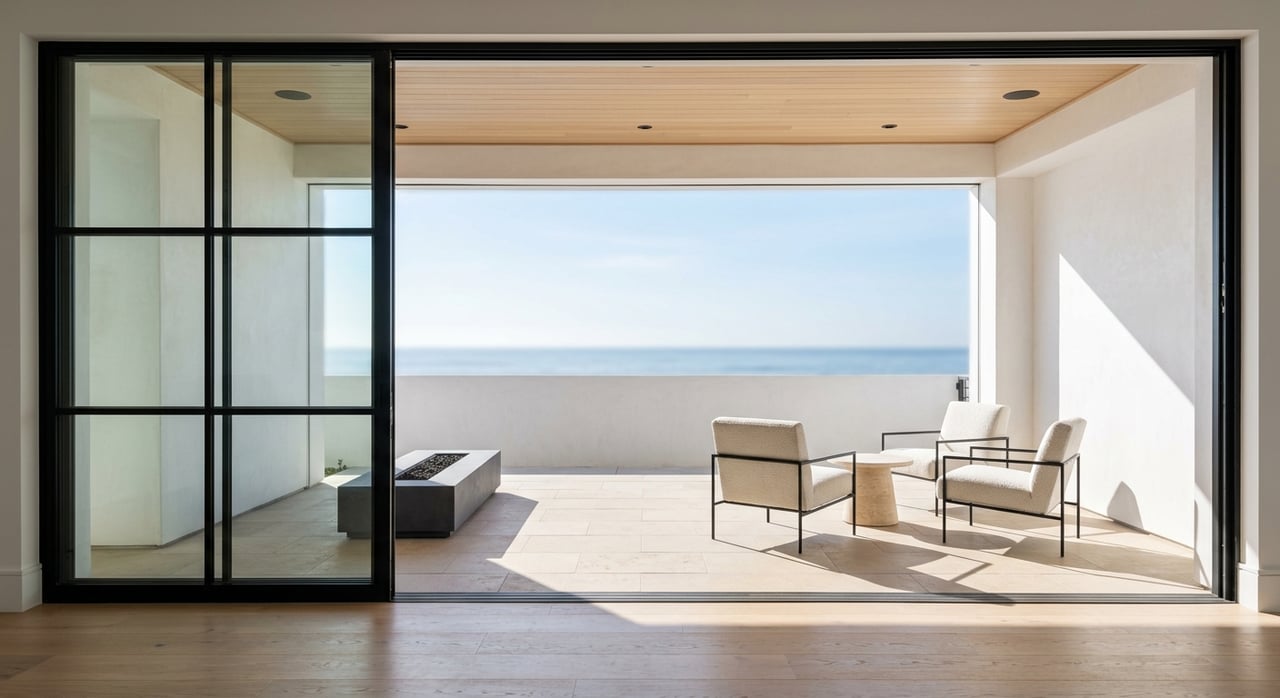
Try to preserve any visual connection to patios, yards, or open views. In Seacliff, indoor-outdoor flow is part of the appeal, so blocked sightlines can make a space feel smaller than it is.
According to the 2025 NAR staging report, buyers’ agents said staging helps buyers visualize the property as their future home, and the most important rooms to stage were the living room, primary bedroom, and kitchen.
That gives you a clear place to start. If your budget or timeline is limited, make those spaces feel calm, bright, and easy to understand first.
Many sellers assume they need a large renovation to compete. In most cases, a better move is to handle the visible issues buyers notice right away.
Small condition items can have an outsized effect on photos, showings, and offers. They also help reduce the feeling that more work is waiting after closing.
A focused update list may include:
These projects are usually more practical than a broad remodel before listing. They photograph well, improve day-to-day presentation, and help the home feel cared for.
In Huntington Beach, some work is generally exempt from permits, including painting, cabinetry, countertops, and certain finish work. Other items, including replacement doors and windows, can be exempt only under specific conditions.
Fences, decks, accessory structures, and similar projects also have defined limits. Before work begins, it is smart to confirm whether your planned updates need HOA review, city review, or both.
A pre-list pest or termite inspection can be a smart step for coastal Orange County sellers. The California Department of Real Estate notes that a structural pest control inspection is not required by law before transfer.
However, if a report is obtained or required by contract or lender, it must be delivered before title transfer. For many sellers, doing this early can help surface issues before they turn into negotiation points.
That does not mean every seller needs to complete every recommended repair before listing. It means you have more control when you know what you are dealing with up front.
Staging works best when it highlights the home, not the decorator. In Seacliff, buyers often respond to interiors that feel light, calm, and uncluttered.
NAR’s consumer staging guidance supports a simple approach: declutter, use neutral paint where needed, refresh towels and bedding, reduce bulky furniture, add a few plants at the entry, and avoid packed closets. These basics fit the local coastal style well.
Aim for rooms that feel open and livable. You do not need strong themes or overly personal styling to create interest.
Instead, think in terms of space, light, and flow. A buyer should be able to walk in and quickly understand how the home lives.
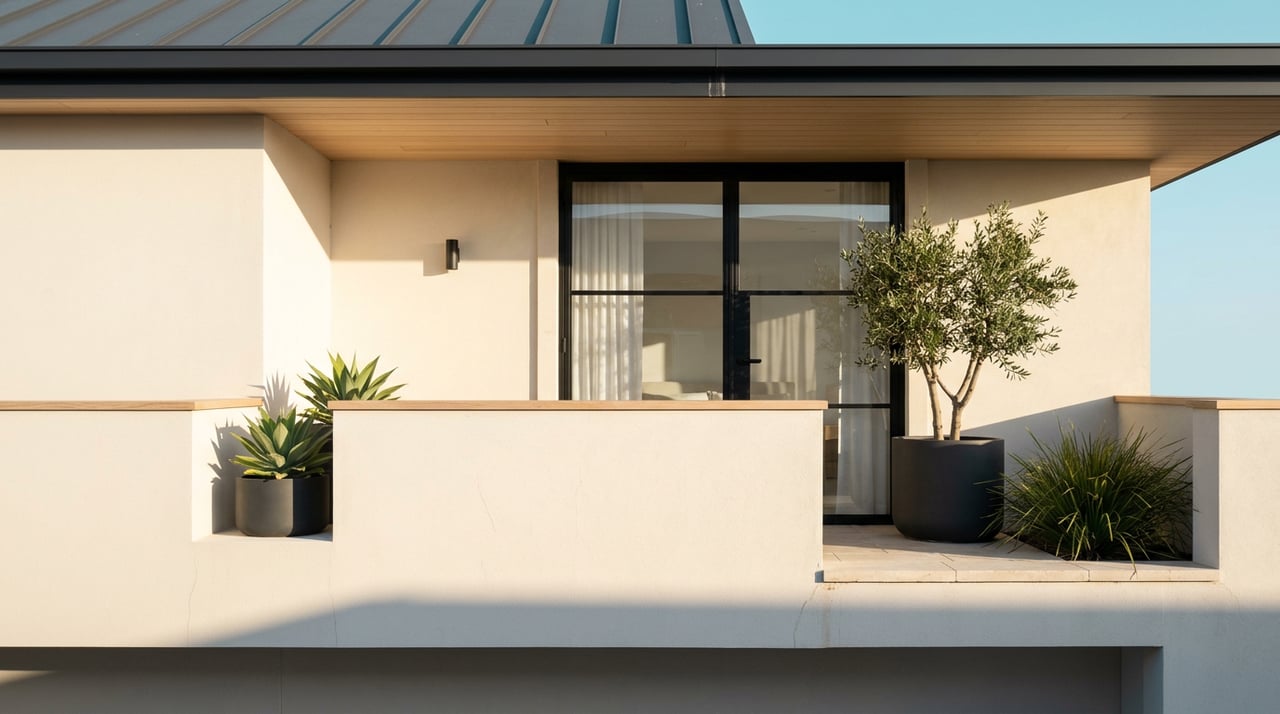
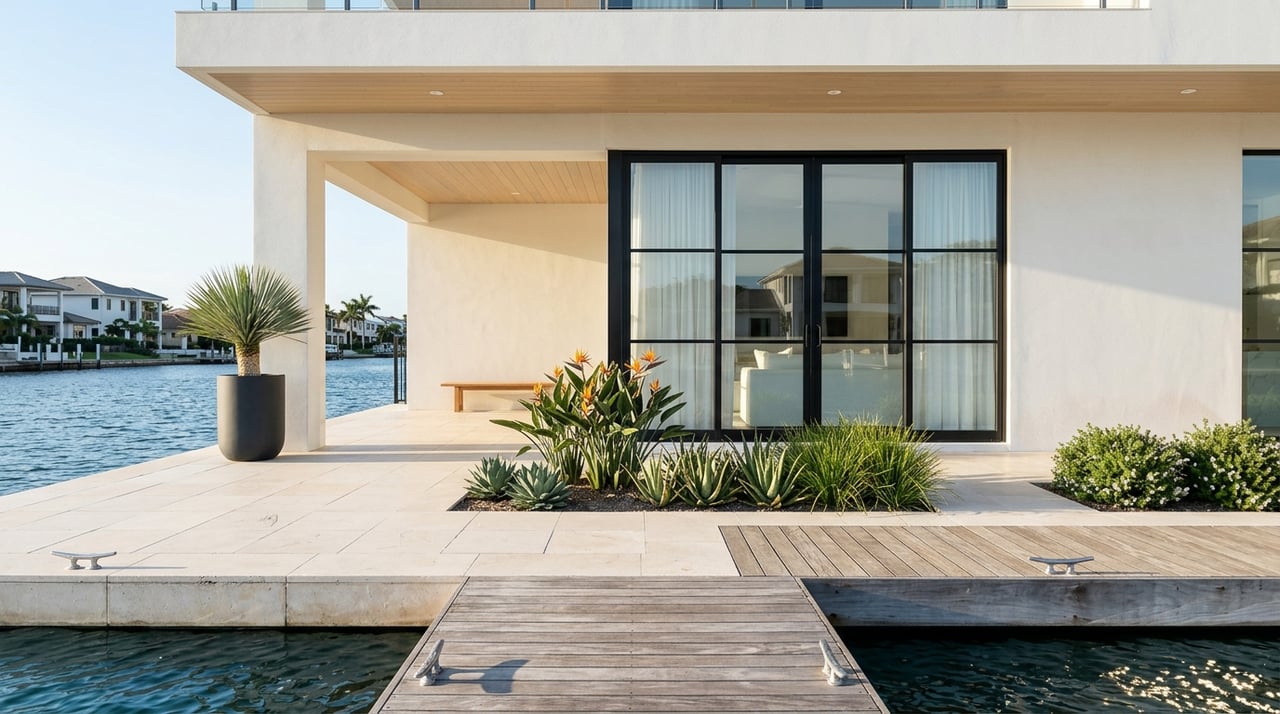
In Seacliff, patios, courtyards, and yard areas should never be an afterthought. Outdoor spaces help tell the full story of a coastal property.
Clean furniture, fresh cushions, swept surfaces, and simple greenery can help buyers picture everyday use. Even a compact outdoor area should feel ready to enjoy.
One of the easiest ways to lose momentum before listing is poor sequencing. In Seacliff, prep tends to go more smoothly when you organize approvals, repairs, staging, and paperwork from the start.
Because the Seacliff Specific Plan includes mandatory HOA provisions and common-area maintenance language, it is wise to confirm any relevant HOA rules before scheduling visible exterior work. If your property falls within a coastal-zone portion, city coastal-zone provisions may also apply.
A practical sequence for many Seacliff sellers looks like this:
This kind of order helps prevent rework, delays, and avoidable stress. It also keeps your home looking consistent once marketing begins.
For a Seacliff sale, disclosures deserve early attention, especially in a common-interest development. The California Department of Real Estate explains that sellers generally use the Real Estate Transfer Disclosure Statement, Natural Hazards Disclosure, and, in common-interest developments, association documents, assessment information, budgets, reserves, and related notices.
In practical terms, it helps to gather:
When these items are organized early, your listing process usually feels smoother and more professional.
The strongest Seacliff listings rarely rely on one dramatic change. More often, they stand out because the home feels bright, maintained, and thoughtfully prepared from the curb to the back patio.
That is especially important in a coastal setting where buyers pay close attention to wear, natural light, and indoor-outdoor flow. When your prep plan is organized around local rules, smart updates, and polished presentation, your home is better positioned to make a strong impression.
If you are preparing a Seacliff home for sale and want a calm, detailed plan for timing, vendors, and market presentation, Nick Lombardo can help you bring it together with local insight and hands-on coordination.
Stay up to date on the latest real estate trends.
From initial consultation to closing, experience a thoughtful, strategic approach tailored to your goals.