What It’s Like To Live In Downtown Huntington Beach
June 11, 2026
June 11, 2026
If you are picturing a beach city where daily life can feel more like a routine vacation than a once-in-a-while getaway, Downtown Huntington Beach probably has your attention. It attracts buyers and relocators who want to be close to the sand, keep errands and dining within walking distance, and stay connected to the energy of the coast. If you are wondering what that lifestyle really looks like day to day, this guide will help you understand the pace, housing mix, and neighborhood rhythm. Let’s dive in.
Downtown Huntington Beach is compact, and that is a big part of the appeal. The district runs from 1st Street to 8th Street, includes the pier and beach-path concessions, and stretches from Main Street to Acacia with side streets in between. The area is also described as a roughly one-mile walkable footprint, which means much of what defines the neighborhood sits within a small, easy-to-navigate core.
For you as a resident, that geography shapes everyday life. The pier, Main Street, and the boardwalk are not separate destinations spread across town. They work together as the daily anchor of the neighborhood, making it easy to step out for a walk, grab a coffee, meet friends for dinner, or head toward the beach without planning around a long drive.
The Downtown Specific Plan describes the area as a 336-acre, pedestrian-oriented destination in the city’s traditional and historic heart. That matters because downtown does not feel like a loose collection of businesses along a highway corridor. It feels like a defined neighborhood center with a strong coastal identity.
In many beach communities, living near the ocean sounds better on paper than it feels in practice. In Downtown Huntington Beach, beach access is woven into the neighborhood in a very visible way. The Huntington Beach Pier sits at Main Street and Pacific Coast Highway, extends 1,850 feet, and connects the shoreline, walking paths, shops, and beachfront dining.
Because the pier is public and open daily, it becomes part of your normal routine. You are not waiting for a special occasion to enjoy the coast. A quick morning walk, an afternoon bike ride, or a sunset stop near the sand can fit into an ordinary weekday.
The city also supports shoreline access with paved walkways, Mobi-Mats, beach wheelchairs, and the nearly 8.5-mile Bolsa Chica Multi-Use Trail. If you value an active lifestyle, that infrastructure makes it easier to build movement and outdoor time into your week.
Surf culture is not just branding here. It is visible in the downtown streetscape, with Jack’s Surfboards’ flagship store on Main Street just steps from the pier and the Surfing Walk of Fame directly outside. The area is closely tied to year-round swell and a long-established surfing identity.
That gives downtown a casual, coastal rhythm that many buyers are looking for. Even if you do not surf, you still feel the presence of that culture in the shops, on the streets, and along the beach paths. It adds character without making the neighborhood feel manufactured.
One of the clearest benefits of living in Downtown Huntington Beach is how easy it is to get around on foot or by bike. The area’s one-mile walkable footprint supports a lifestyle where restaurants, retail, beach access, and events are all close together. That convenience is one of the biggest reasons downtown appeals to both full-time residents and relocators.
The city and Visit Huntington Beach also launched a downtown bike valet in 2026 to help people shop, dine, and spend time in the area within a secure zone. That is a small detail, but it reflects something important about the neighborhood. Downtown is designed around movement, activity, and easy access rather than car-dependent sprawl.
If you are moving from a more suburban setting, this can feel like a meaningful lifestyle shift. You may be giving up lot size and private outdoor space, but you are gaining a more connected day-to-day experience.
Downtown Huntington Beach offers a broad business base for such a compact area. The downtown business improvement district includes more than 250 businesses, and Pacific City adds another oceanfront shopping and dining district with more than 60 retailers. The pier also includes beachfront dining, which expands your options within a short distance.
For you, that means daily convenience mixed with variety. You can keep things simple with a quick casual stop, or you can make an evening out of dinner with an ocean-view setting. Having that range nearby helps downtown feel livable, not just visitable.
This also supports a more spontaneous routine. Instead of planning your weekend around where to drive, you can often decide as you go. That is one of the biggest quality-of-life differences people notice after moving to the area.
If you like living somewhere with visible street life, downtown delivers that in a way few coastal districts do. Main Street regularly becomes a shared community space rather than just a road lined with storefronts. That creates a neighborhood experience that feels active and social.
Surf City Nights is a major weekly fixture. Every Tuesday from 4:30 p.m. to 8:30 p.m., Main Street closes between Pacific Coast Highway and Orange Avenue for a certified farmers market, crafters, specialty foods, and live music. The event is established enough that the downtown district also shares parking guidance and asks residents to move cars before the street closure begins.
For residents, this is not just something tourists discover. It becomes part of the weekly rhythm of downtown living. If you enjoy neighborhoods with regular activity and a sense of place, that can be a real plus.
Downtown also hosts some very large annual events. Huntington Beach’s Independence Day celebration is described as the largest 4th of July event west of the Mississippi, drawing more than 500,000 attendees with a parade, Pier Plaza festivities, and fireworks over the ocean. Other notable events include the US Open of Surfing and the AVP Huntington Beach Open.
This is worth understanding if you are considering a move. The event calendar adds excitement and identity, but it also means certain times of year bring larger crowds and more activity. For many buyers, that energy is part of the appeal. For others, it is an important lifestyle consideration to weigh in advance.
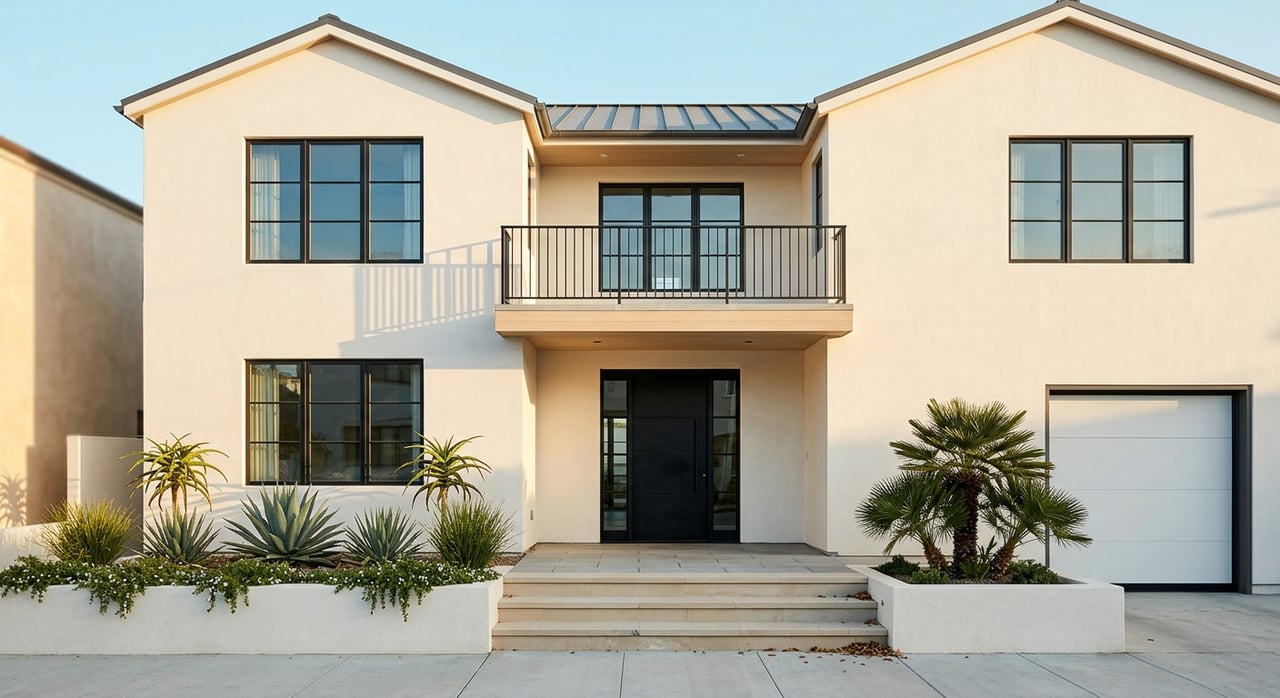
The housing mix near downtown tends to lean lower maintenance and higher density than many other parts of Huntington Beach. City planning documents show that mixed-use areas can include attached single-family housing, multiple-family housing, live-work units, and commercial uses. Near the pier, mixed-use land includes townhomes, garden apartments, and mid- to high-rise apartments.
In practical terms, downtown often reads more like a condo and townhome market than a detached-home market. If you are looking for a lock-and-leave lifestyle, less exterior upkeep, or a more urban coastal setting, that can be a strong match. If your priority is a large yard or a traditional detached-home pattern, you may find fewer options in the immediate core.
Recent planning records reinforce that downtown’s housing pattern is centered on infill and mixed-use development. A proposal at 410 Main Street includes a four-story mixed-use, mixed-income project with 28 for-sale condominium units. Another proposal at 321 3rd Street includes a four-story mixed-use project with 9 condominium units and retail space.
That tells you something important about where the area is headed. The downtown core is being shaped more by condo-style and mixed-use development than by large detached-lot construction. Buyers who want a newer or more integrated live-near-everything setting may see that as a benefit.
Living in Downtown Huntington Beach usually means making a clear lifestyle tradeoff. You are often exchanging yard size and a quieter residential feel for walkability, beach access, dining, local events, and a compact coastal routine. For many people, that trade is exactly the point.
It can be especially appealing if you want your neighborhood to feel active and connected. You can walk to the pier, bike near the beach, enjoy Tuesday street activity, and keep restaurants and shops within a very small radius. That kind of convenience is difficult to replicate in more spread-out coastal neighborhoods.
At the same time, it helps to go in with a realistic understanding of the area. Downtown is energetic, event-driven, and shaped by tourism as well as local life. If that mix suits your goals, it can be one of the most distinctive places to live in Huntington Beach.
Downtown Huntington Beach often makes the most sense for buyers who value lifestyle access over square footage. If you want to be close to the beach and enjoy a more walkable daily routine, the area offers a compelling setup. It can also work well if you prefer a townhome or condo environment with less maintenance.
For relocators, downtown can be an easy neighborhood to understand once you experience it in person. The boundaries are clear, the lifestyle is visible, and the main tradeoffs show up quickly. That is helpful when you are comparing Huntington Beach with other coastal Orange County options.
If you are trying to decide whether downtown fits your needs, block-by-block context matters. Product type, street location, event exposure, and proximity to Main Street or the pier can all influence how a property lives day to day.
If you are considering a move in or around Downtown Huntington Beach, working with someone who knows the area at a neighborhood level can make the process much clearer. Nick Lombardo brings deep Huntington Beach roots, local market insight, and a calm, hands-on approach to helping you buy or sell with confidence.
Stay up to date on the latest real estate trends.
From initial consultation to closing, experience a thoughtful, strategic approach tailored to your goals.